
English| EUR
Suggested for you
More currencies
Choose a language
Punta del Este sits 130 kilometers east of Montevideo along Uruguay's Atlantic coast, drawing visitors with its contrast of wild ocean beaches and sheltered bay waters. The question of whether the resort town merits a visit depends on what you value in a coastal destination and how much time you can allocate. This guide examines the town's offerings, logistics, and seasonal considerations to help you decide.
Quick answer
Punta del Este is worth visiting if you want access to Uruguay's most developed beach infrastructure, distinctive coastal landmarks, and a concentration of dining and cultural venues not found elsewhere along the Atlantic shore. The town offers free public access to all beaches and waterfront areas, making it budget-friendly for independent travelers. Summer weekends bring heavy crowds, while autumn and spring provide calmer conditions with most facilities still operational.
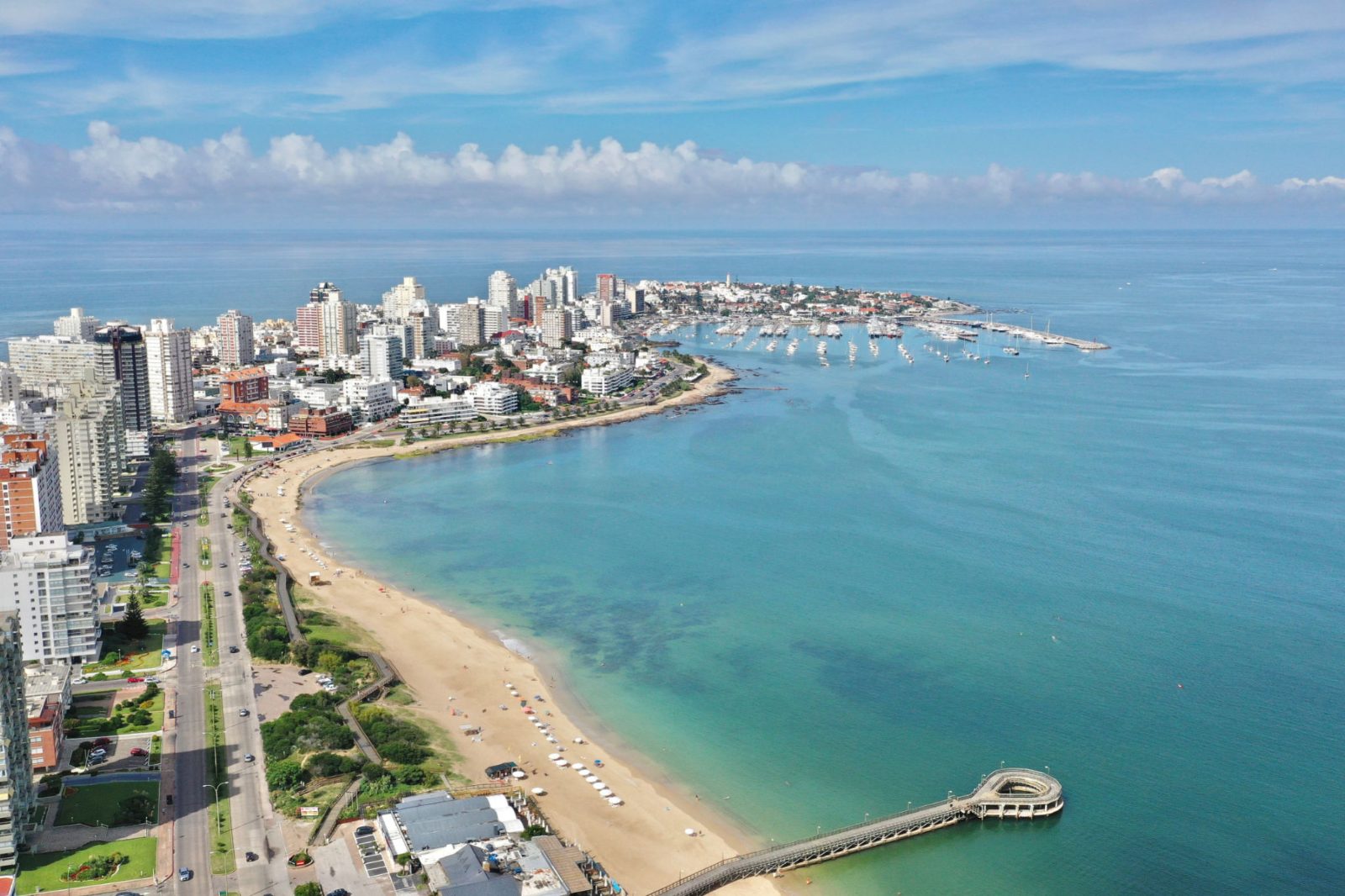
Punta del Este occupies a narrow peninsula that divides the Río de la Plata estuary from the open Atlantic, creating two distinct waterfront experiences within walking distance. This geographic position has shaped the town's identity since its founding in the 1890s as a bathing resort for Montevideo's upper classes. The Atlantic-facing Playa Brava delivers strong surf, cold currents, and the iconic Los Dedos sculpture—five concrete fingers emerging from the sand that have become Uruguay's most photographed landmark. Across the peninsula, Playa Mansa on the estuary side offers calm, warmer water suitable for families and water sports. This dual-beach system gives visitors choice based on ocean conditions and personal preference. Between these shorelines, the compact downtown concentrates restaurants, galleries, and the historic lighthouse built in 1860. Whether Punta del Este justifies the two-hour drive from Montevideo depends on your priorities. The town excels in beach variety, with over a dozen named stretches of sand extending east toward José Ignacio and west toward Piriápolis. Architectural interest runs from preserved 1920s casinos to contemporary residential towers designed by Rafael Viñoly. The culinary scene rivals Montevideo's best neighborhoods, with seaside parrillas and international restaurants operating year-round. Art venues like Casapueblo—Uruguayan artist Carlos Páez Vilaró's clifftop museum-home—add cultural dimension beyond the beach. Practical factors matter. Arriving early in the morning, ideally between 07:00 and 10:00, gives you the best natural light for photography and avoids the midday parking crunch near popular spots like La Mano. The town remains accessible year-round with no entrance restrictions, though winter months see reduced restaurant hours and cooler water temperatures that limit swimming. Most visitors allocate a full day to experience both coasts, visit one or two landmarks, and sample the dining scene. If your Montevideo itinerary is tight and beach access isn't a priority, the capital's own coastal rambla may suffice. But for those seeking Uruguay's most complete seaside experience within day-trip range, the peninsula delivers concentrated value that coastal villages cannot match.
“Punta del Este's peninsula position creates two distinct waterfront experiences—wild Atlantic surf on one side, calm estuary waters on the other—within a ten-minute walk.”
Punta del Este experiences a stark transition between the vibrant peak summer season and the tranquil off-season months. For those prioritizing lower density and manageable temperatures, the shoulder months offer a distinct advantage over the high-traffic summer period.
Warm, 25°C to 30°C. Popular beach activity dominates the region.
Mild, 18°C to 24°C. Conditions are suitable for outdoor coastal exploration without summer congestion.
Cool, 10°C to 18°C. Many coastal establishments operate on limited schedules during these months.
—; Best arrival window: 07:00–10:00. Early arrivals provide optimal light for photography and lower foot traffic at landmarks.
Verdict: The most effective time for a visit is during the shoulder months of March or April, specifically arriving between 07:00 and 10:00 on weekdays to avoid peak crowds.
This plan suits day visitors arriving from Montevideo who want to see Punta del Este's key landmarks and beaches without rushing. It covers roughly 6–7 hours, leaving time for lunch and relaxed exploration.
Start at Brava Beach to photograph La Mano sculpture in soft morning light, then walk the waterfront promenade. Early timing avoids crowds and heat.
Drive or taxi to Casapueblo, the iconic white clifftop building and museum. Allow 45 minutes inside, then enjoy the coastal views from the terrace.
Return to central Punta del Este to walk the narrow peninsula between Playa Mansa and Playa Brava. Stop at the lighthouse and marina to watch fishing boats and yachts.
Settle into the small historic port area for seafood lunch at a harbor-facing restaurant. The sheltered bay offers calm, shaded seating.
Spend the afternoon at the calmer Mansa Beach on the Río de la Plata side. Water is warmer and waves gentler than Brava, ideal for swimming.
Walk Avenida Gorlero, the main commercial street, and visit the artisan fair if it's running. Pick up local crafts or simply people-watch before heading back.
Punta del Este operates as a public city and beach resort rather than a ticketed venue. There are no general entrance fees required to access the area.
Verdict: A typical adult pays 0 USD for entrance, as the resort is entirely open to the public.
Punta del Este is located in the Maldonado Department of Uruguay. The most straightforward way to travel from Montevideo is via the intercity bus network or by private vehicle along Route Interbalnearia.
Terminal Tres Cruces to Punta del Este Bus Terminal
Route Interbalnearia (Ruta IB)
Private transfer via Ruta IB
For the best experience, plan your travel to arrive within the best arrival window of 07:00–10:00. This early start allows you to access landmarks with better lighting and avoid peak crowds.
Punta del Este is a public city and beach resort, meaning the destination remains accessible to visitors at all hours throughout the week.
Everything you need to know about is punta del este worth visiting
Travelers frequently ask is Punta del Este worth visiting when planning an excursion from Montevideo. The coastal city offers iconic Atlantic beaches and distinctive architecture that distinguish it from the capital. Many find the blend of luxury resorts and natural shoreline provides a compelling reason for the journey.
Since the journey covers significant distance, deciding is Punta del Este worth visiting depends on your available time. Planning a full day ensures you experience the maritime atmosphere without feeling rushed. Most visitors value the coastal drive as part of the total experience.
You might wonder if Punta del Este is worth visiting due to hidden costs. Entrance fee is 0 USD, as Punta del Este is a public city and beach resort. This makes it accessible for travelers focused on self-guided exploration of public spaces.
Early arrivals are highly recommended for those asking is Punta del Este worth visiting. The best arrival window is 07:00–10:00, which offers the best light for photography and avoids peak crowds at popular landmarks. This timing allows for a peaceful start to your coastal tour.
Parents often evaluate is Punta del Este worth visiting for its recreational options. The open beaches and public parks provide safe environments for children to play. Families generally enjoy the accessibility of the region during daylight hours.
A common error when questioning is Punta del Este worth visiting is failing to account for travel logistics. Visitors often arrive too late in the day to fully enjoy the coastal attractions. Starting early is the most effective way to maximize your time in this Maldonado Department destination.